I went to Cambodia for G Adventures’ GX Summit and came home with more practical notes than would fit in the newsletter. Here’s what you need to know to plan your own trip. For the story of the trip itself, read the October Tidewater Traveler.
The Mekong River
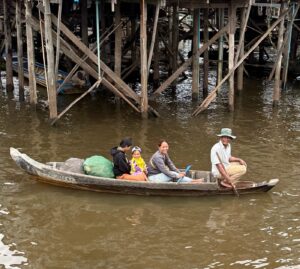
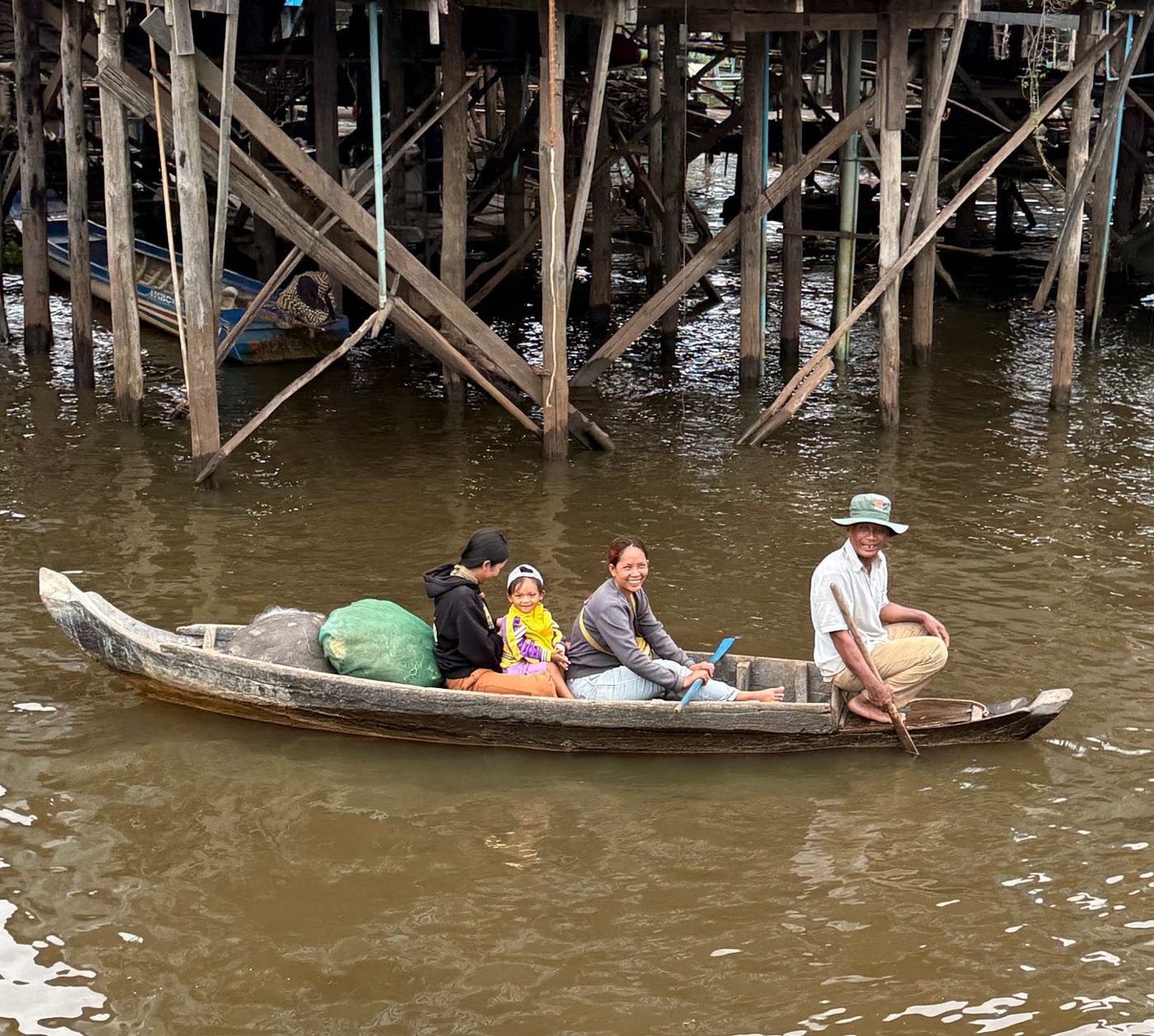
Our GX cruise on the Mekong was brief, barely half a day. For those of you used to Europe’s rivers, the Mekong ain’t that: it’s muddy and not particularly scenic in spots. But much of life in Cambodia is centered on the river, with entire communities along its banks, some even floating on it. The more popular option is a weeklong cruise linking Cambodia with Vietnam’s Mekong Delta. It’s a different river cruise experience, but that’s part of the appeal.
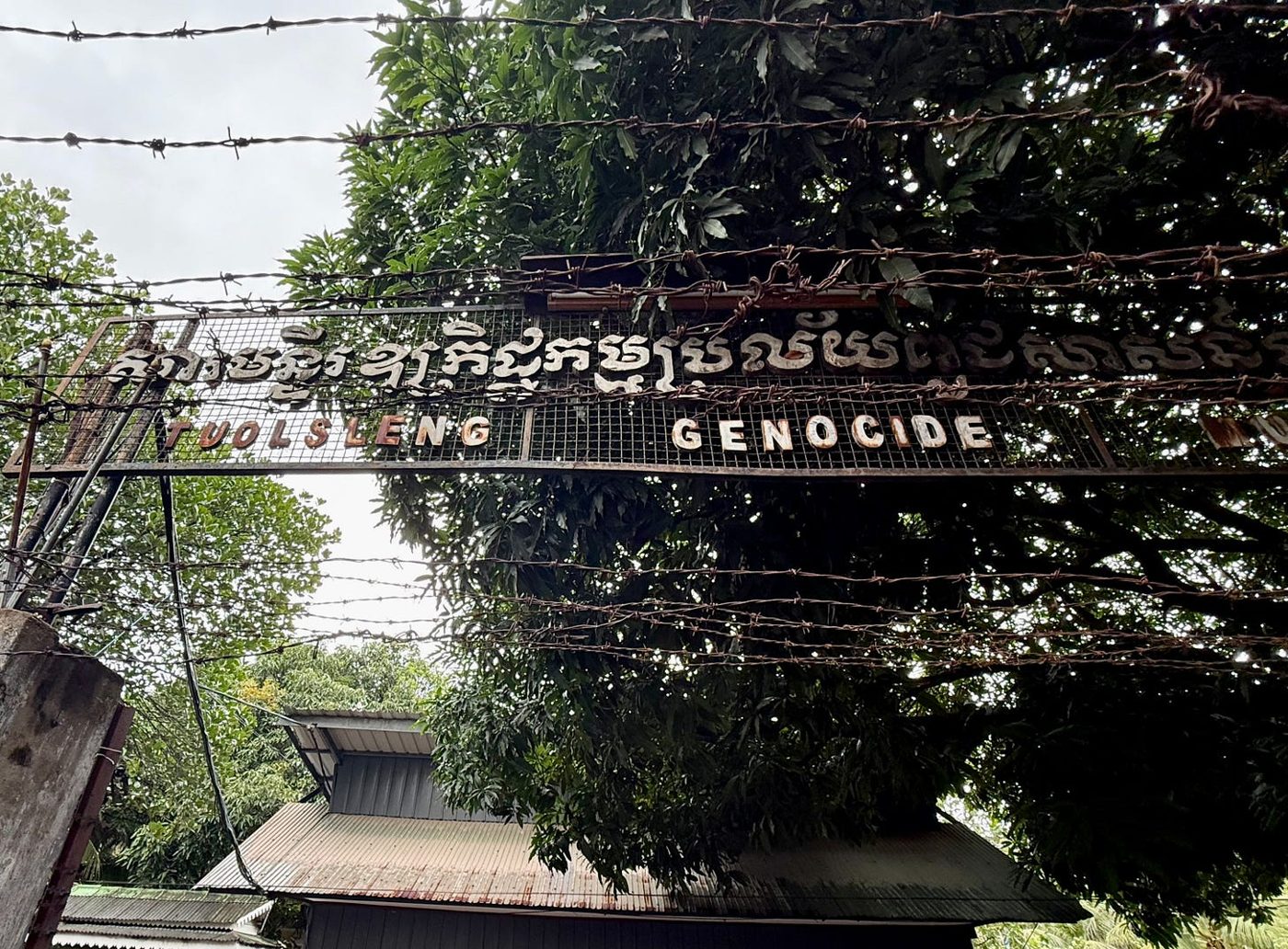
Phnom Penh: Tuol Sleng Genocide Museum
The former S-21 prison is now the Tuol Sleng Genocide Museum. It’s difficult, but you can’t understand modern Cambodia without it. Many visitors go through on their own with the audio tour, which is excellent and includes survivors’ accounts. I recommend a guide. There’s nothing like hearing it from someone still living with the aftermath.
Sambor Prei Kuk: Angkor Before Angkor
Sambor Prei Kuk is a UNESCO World Heritage site that you won’t find on most tour itineraries. The better-known Angkor Archaeological Park draws close to a million foreign visitors a year. Sambor Prei Kuk draws a sliver of that: official counts put it under 11,000 in the first nine months of 2025.
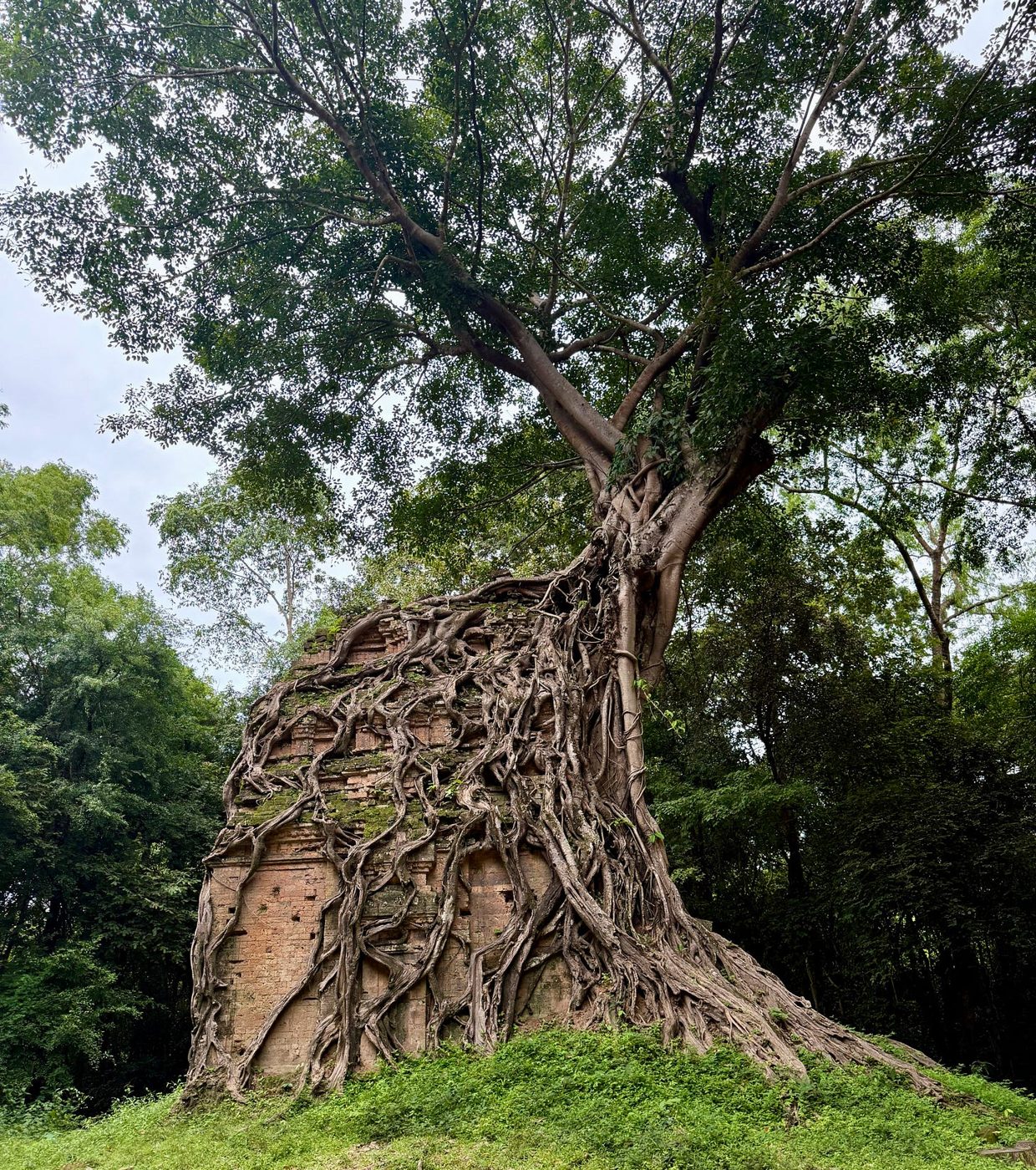
Our guide went out of his way to steer our small group, about twenty of us, to parts of the complex even fewer visitors reach. First up was Prasat Tao, the Lion Temple, named for the stone lions guarding its steps. By our guide’s count the Lion Temple saw maybe 1,000 visitors last year. Then came Prasat Chrey, maybe the coolest thing I saw all day. A brick temple wrapped in the roots of a giant strangler fig. It looks like the temple is rising out of the tree when in fact, the tree has spent centuries slowly swallowing the 1500-year-old temple. If you do Angkor’s Small Circuit, you’ll see the same thing at Ta Prohm, along with a few hundred people lined up for the same photo. At Prasat Chrey, it was just us.
If you’re planning a self-guided tour of Cambodia, put Sambor Prei Kuk on the list, and hire a local guide to find Prasat Tao and Prasat Chrey. Both are worth the search. This is Angkor Wat before it became Angkor Wat.
Touring the Angkor Archaeological Park
Angkor is the Khmer word for city, and the Angkor Archaeological Park spreads across roughly 400 square kilometers (about 155 square miles) of jungle near Siem Reap. It was the capital of the Khmer Empire from the 9th to the 15th centuries, and the whole park became a UNESCO listed site in 1992. The park’s many attractions include Angkor Wat, the largest religious monument on earth, and the walled city of Angkor Thom with its Bayon Temple.
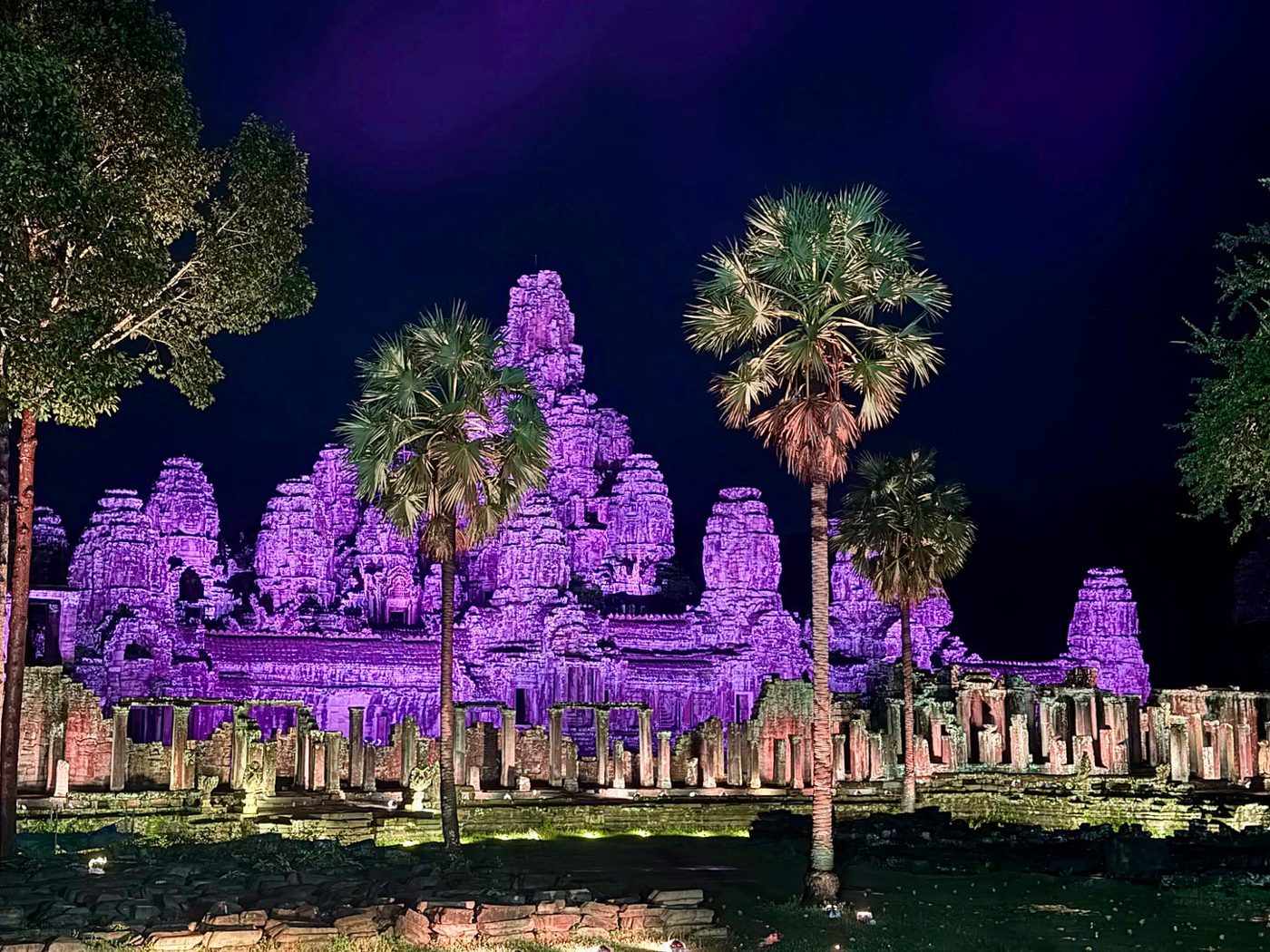
Like our Mekong cruise, our Angkor tour was a sampler. Most tours and self-guided itineraries are built around three options. The one-day Small Circuit is the most popular: six to nine hours covering Angkor Wat, Angkor Thom (including the Bayon and the royal terraces), and Ta Prohm. The two-day Grand Circuit adds a ring of smaller temples, and a third day reaches outlying ones such as Banteay Srei. Most visitors do one day. Archaeology and history buffs take two or three. For self-guided touring, buy the Angkor Pass that best meets your needs; passes come in one-, three-, and seven-day versions.
Parts of the park are technically wheelchair accessible, though I wouldn’t build a trip around it. The ground is mostly flat, but reaching the temples means long stretches of dirt path, and inside the temples it’s steps and uneven stone. Walkers and mobility scooters face the same problems. What mobility limited tourists can count on are excellent exterior views of Angkor Wat and Angkor Thom, and for many travelers that’s the picture they had in mind anyway. If mobility is a concern, contact the APSARA National Authority, which manages the park, before you go (info@apsaraauthority.gov.kh).
Sunrise at Angkor Wat
Angkor Wat, built in the early 12th century by King Suryavarman II, started life as a Hindu temple dedicated to Vishnu. Within a century or so, it was Buddhist. Nobody bothered to build a new temple complex. Why would you when you had a perfectly good one in place? Three of its five towers are featured on Cambodia’s national flag, and if you’ve seen the movie Lara Croft: Tomb Raider, you’ll recognize them immediately.
Many visitors set their cellphone alarms before dawn to get a prime viewing spot for sunrise. The best spot, and the one tour groups take you to, is the western approach, where you see the temples with the sun rising behind them. On the annual equinoxes, in March and September, the rising sun aligns with the central tower. If you’ve seen a photo of Angkor Wat, most likely it was taken from there.
If you want that perfect photo op, go in March during the spring equinox when the dry season is in full swing. We went in late September, rainy season, and got gray on gray. Even so, it was a stunning view.
Should you chase the front row? Set the alarm yes, but don’t stress too much over whether you make it into the front row. I was fortunate and did, but most of our group did not. I heard no complaints. And their pictures were just as stunning as mine. The complex is vast and there are no designated seat or bleacher areas. You’re on your own to find a comfortable position to stand, sit or squat as you wait for sunrise. With AI tools that erase strangers from your photos (my favorite iPhone photo app feature), you can get the perfect picture, and nobody but you will know you were standing behind several rows of people.
Three pro tips for visiting Angkor Wat
- Bug spray is a must, particularly during the rainy season. I’m not normally one to douse myself, but I did here. Angkor Wat is surrounded with pools of stagnant water, prime mosquito breeding ground. Skip the citronella wristbands. They don’t work here. Go industrial-strength spray or lotion, because that’s what it takes to get through an hour-plus wait for sunrise in mosquito alley.
- Dress for mud and sweat. Don’t wear white pants; you’ll spend the rest of the day explaining it’s mud and not the byproduct of an intestinal protest from eating like a local the day before. Skip the jeans too. Wear lightweight khakis and a lightweight quick-dry shirt.
- Angkor Wat is a working temple and has a dress code that is enforced. To avoid getting turned away, cover your knees and shoulders. Long shorts or a sarong are fine as is a wrap or shawl.
Thinking about Cambodia?
A Mekong cruise, an Angkor add-on, or a G Adventures tour that puts you in the middle of the people and places that matter. That’s what we’re here for.